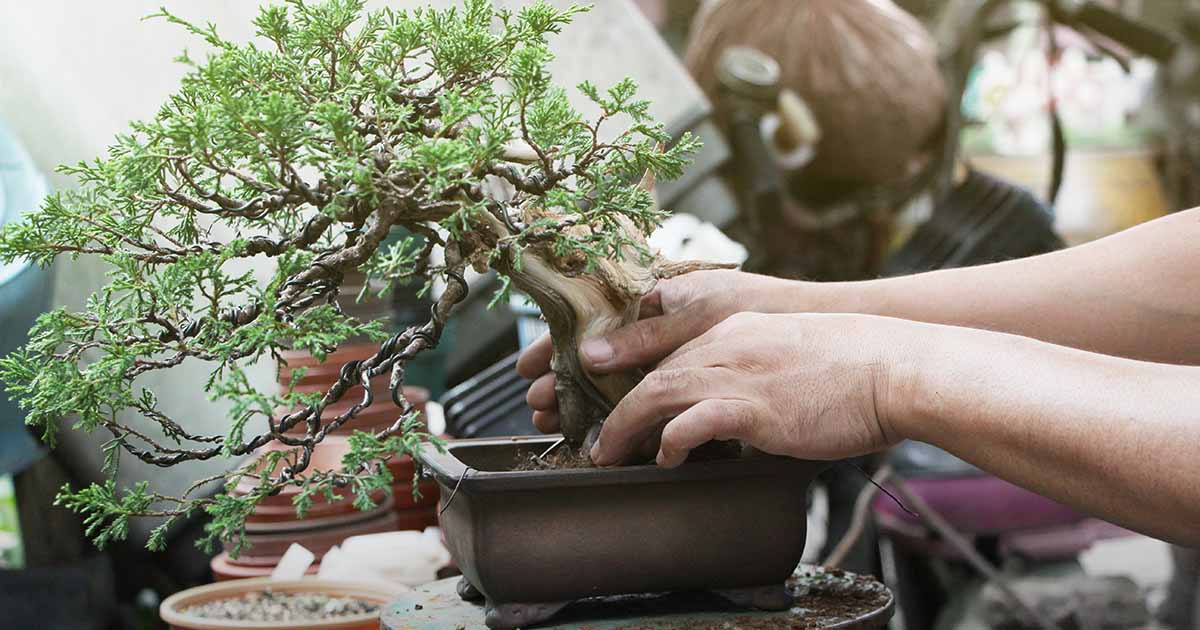
In the following paragraphs, we are going to take a look at the different types of soil and substrates Utilized in bonsai cultivation, together with natural and inorganic solutions.
We are going to also uncover advisable soil mixtures for several bonsai species, for instance deciduous, coniferous, and indoor versions. From akadama and pumice to moss and river sand, we are going to dive into the fascinating entire world of bonsai soil and help you understand why It is a very important Section of cultivating these exquisite trees.

Bonsai soil
What is bonsai soil?
Bonsai soil is a specialized type of soil that is specifically formulated for growing and maintaining bonsai trees. Unlike regular garden soil, bonsai soil is well-draining and provides the necessary nutrients and moisture balance for the tree's root system. The composition of bonsai soil is carefully designed to meet the unique needs of bonsai trees, ensuring their health and longevity.
The importance of bonsai soil
The choice of soil plays a crucial role in the success of your bonsai tree. The right soil provides optimal drainage, allowing excess water to flow freely and preventing root rot. It also promotes a healthy and well-developed root system, which is essential for the overall health and growth of the tree. Bonsai soil retains moisture while allowing air to reach the roots, striking the perfect balance for the tree's needs. Choosing the right bonsai soil is essential for maintaining a healthy and thriving bonsai tree.
Bonsai substrates
What are bonsai substrates?
Bonsai substrates refer to the different materials that can be used to create the ideal soil composition for bonsai trees. These substrates are carefully chosen to meet the specific needs of different species of bonsai trees and to ensure proper water drainage and nutrient availability.
Different types of bonsai substrates
There are various types of bonsai substrates available, each with its own unique characteristics and benefits. Some common bonsai substrates include:
- Organic materials: These include ingredients such as bark, peat moss, and coconut coir. Organic substrates help retain moisture and provide essential nutrients to the bonsai tree.
- Inorganic materials: These involve components like pumice, lava rock, and akadama. Inorganic substrates offer outstanding drainage, guaranteeing that excessive h2o does not accumulate across the roots on the bonsai tree.
- Soil amendments: These are substances which are added for the soil combination to reinforce its Attributes. Samples of soil amendments incorporate perlite, vermiculite, and sand. They Enhance the soil's aeration, drinking water-Keeping capacity, and nutrient availability.
By knowledge the differing types of bonsai substrates as well as their Homes, it is possible to decide on the best suited a person for the bonsai tree's requires.
Natural and organic or Inorganic Soils
Natural and organic soils for bonsai
Organic and natural soils for bonsai are made up of purely natural elements for example bark, peat moss, coconut coir, and compost. These components supply a loaded supply of nutrients with the bonsai tree and market balanced root advancement. Natural and organic soils even have excellent drinking water retention Qualities, ensuring the tree gets adequate dampness involving watering periods. Even so, it is important to notice that organic soils may well break down as time passes and come to be compacted, resulting in lousy drainage and opportunity root troubles.
Inorganic soils for bonsai
Inorganic soils for bonsai include supplies like pumice, lava rock, akadama, and soil amendments like perlite or vermiculite. These products have superb drainage properties, blocking waterlogged soil and advertising and marketing aeration across the roots. Inorganic soils are most popular by a lot of bonsai fans due to their longevity and talent to provide a steady ecosystem for that bonsai tree's root procedure. Nonetheless, they may call for more Repeated watering and extra fertilization, as they don't hold just as much moisture or nutrients as natural soils.
Advantages and drawbacks of employing natural and organic and inorganic soils for bonsai
Choosing involving organic and inorganic soils in your bonsai tree will depend on a variety of components, such as the distinct species of tree, your local climate, and personal Choices. Here are the benefits and drawbacks of every:
Organic and natural soils:
- Pros: Provide nutrients, good water retention, endorse healthier root development.
- Drawbacks: May break down with time, opportunity for poor drainage Otherwise correctly maintained.
Inorganic soils:
- Execs: Great drainage, extensive-lasting, stable natural environment for roots.
- Drawbacks: Fewer water retention, might need more frequent watering and fertilization.
By taking into consideration the pros and cons of equally natural and inorganic soils, you can make an informed decision based on the particular desires of one's bonsai tree.
Soil parts
Crucial components of bonsai soil
Bonsai soil is often made up of 3 principal components: grit, organic and natural issue, and clay. These components perform jointly to generate the ideal soil structure for that bonsai tree's root technique.
- Grit: Grit, for example sand or perlite, gives drainage and aeration inside the soil. It can help reduce waterlogging and allows air to get to the roots.
- Natural and organic make a difference: Natural make a difference, for instance compost or bark, delivers nutrients on the bonsai tree. Additionally, it allows retain moisture and Increase the soil's General construction.
- Clay: Clay particles give some h2o retention traits and assist bind the soil alongside one another. Nonetheless, an excessive amount of clay can lead to inadequate drainage and compaction.
Job of every soil component
Just about every soil part performs an important purpose in creating a perfectly-balanced and healthy atmosphere for that bonsai tree's roots.
- Grit: Grit provides the required drainage and aeration during the soil. It helps prevent the roots from sitting down in stagnant drinking water, minimizing the potential risk of root rot and advertising and marketing overall root well being.
- Organic and natural subject: Natural and organic matter delivers necessary nutrients to your bonsai tree. It aids in humidity retention and contributes to the overall framework with the soil.
- Clay: Clay particles assist bind the soil collectively and provide some h2o retention ability. Nonetheless, it is important to equilibrium the amount of clay to prevent challenges like bad drainage and compaction.
By knowledge the roles of each soil part, you'll be able to make a balanced bonsai soil mix that satisfies the precise wants within your tree.
Recommended Bonsai soil mixtures
Common bonsai soil mixtures
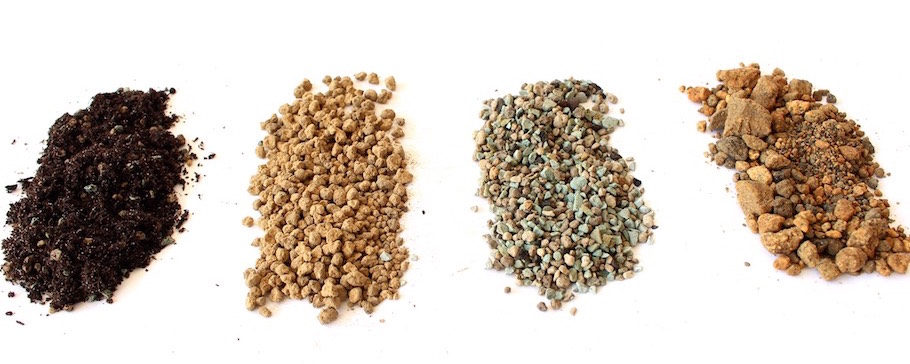
There are several common bonsai soil mixtures that have been proven effective for various types of bonsai trees. These mixtures typically consist of a combination of inorganic substrates, organic matter, and soil amendments.
Some of the commonly used bonsai soil mixtures include:
- Akadama, pumice, and lava rock: This mixture is popular among bonsai enthusiasts for its excellent drainage and water retention properties.
- Akadama, lava rock, and organic and natural matter: This combination brings together the key benefits of inorganic substrates With all the nutrient-wealthy Houses of natural and organic subject.
- Pumice, perlite, and bark: This mixture delivers good drainage and aeration whilst retaining some dampness and giving nutrients.
These are generally only a few examples of bonsai soil mixtures, and The best mixture will rely upon the specific needs within your bonsai tree along with your weather.
Aspects to look at when selecting a bonsai soil combination
When picking a bonsai soil combination, it is vital to look at the subsequent variables:
- Species of bonsai tree: Diverse species have unique moisture and nutrient demands. Exploration the particular wants of your tree to choose a soil mixture that meets its necessities.
- Local weather: The weather you reside in can affect the dampness retention Qualities from the soil. Evaluate the ordinary humidity and temperature in your neighborhood When selecting a soil mixture.
- Watering behaviors: Your individual watering routines and program need to align Using the soil combination you choose. Some mixtures require additional frequent watering, while others retain humidity for more time durations.
- Price range: Some soil parts may be costlier than Many others. Take into consideration your funds when picking a soil combination.
By taking these factors into consideration, you can go with a bonsai soil mixture that provides the ideal growing conditions for your tree.
Deciduous Bonsai soil
Ideal soil composition for deciduous bonsai
Deciduous bonsai trees, which include maple or birch, have certain soil demands to assist their progress and wellness. The top soil composition for deciduous bonsai typically features a combination of natural and organic make a difference, inorganic substrates, and soil amendments.
A suggested soil composition for deciduous bonsai may perhaps contain:
- Akadama: Offers very good drinking water retention while letting for drainage. It also releases nutrients little by little after some time.
- Pumice: Encourages aeration and drainage during the soil, stopping waterlogging.
- Bark or peat moss: Provides organic make any difference towards the soil, giving nutrients and humidity retention.
This soil composition makes sure that the roots of deciduous bonsai trees acquire the right harmony of moisture, nutrients, and oxygen for ideal progress.
Coniferous and Pine soil
Ideal soil mixture for coniferous and pine bonsai
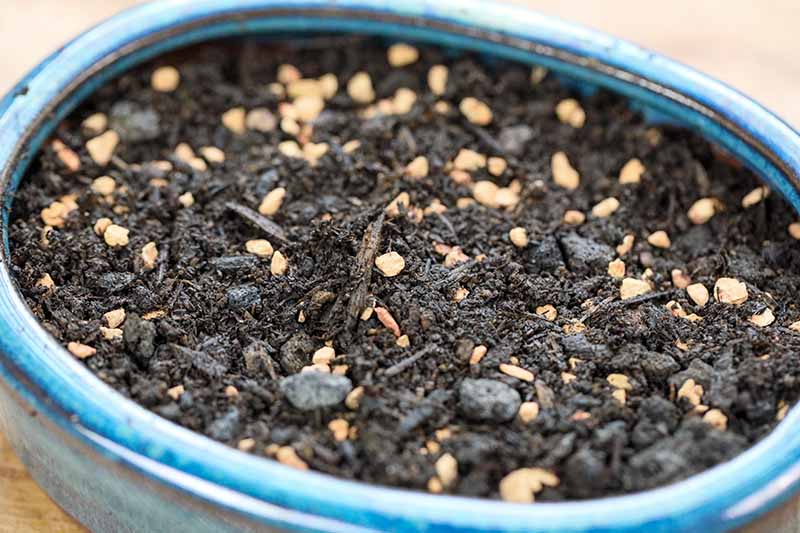
Coniferous and pine bonsai trees have specific soil requirements due to their water retention needs and preference for acidic soil. An ideal soil mixture for coniferous and pine bonsai should provide good drainage while retaining moisture and maintaining the desired pH level.
A recommended soil mixture for coniferous and pine bonsai may include:
- Akadama: Provides excellent water retention while allowing for sufficient drainage. It releases nutrients slowly over time.
- Pumice: Promotes aeration and drainage in the soil, avoiding waterlogged roots.
- Peat moss: Provides natural make a difference and acidity to the soil, producing a perfect pH level for coniferous and pine trees.
This soil combination ensures that the roots of coniferous and pine bonsai trees obtain the best balance of humidity, nutrients, and acidity for his or her specific requirements.
Akadama
What on earth is akadama?
Akadama is usually a form of clay soil that's extensively Utilized in bonsai cultivation. It really is known for its excellent drinking water retention Qualities, which make certain a gradual offer of moisture on the bonsai tree's roots. Akadama is usually prized for its ability to release nutrients gradually over time, offering a dependable supply of nourishment for your tree.
Benefits of making use of akadama in bonsai soil
Utilizing akadama in bonsai soil presents numerous Advantages:
- Drinking water retention: Akadama has Excellent water retention Attributes, making it possible for it to carry dampness without having turning out to be waterlogged. This makes certain that the bonsai tree's roots get a steady supply of h2o, selling healthful development.
- Nutrient launch: Akadama little by little releases nutrients into the soil after some time, giving a regular source of nourishment for that bonsai tree. This lessens the need for frequent fertilization and aids preserve a balanced nutrient profile.
- Aeration: Regardless of its drinking water retention abilities, akadama also provides ample aeration to your bonsai tree's roots. It lets air to reach the root process, blocking difficulties which include root rot resulting from insufficient oxygen.
By incorporating akadama in the bonsai soil, you'll be able to generate an exceptional escalating surroundings for your tree, making sure its health and vitality.
Lava rock
How lava rock benefits bonsai soil
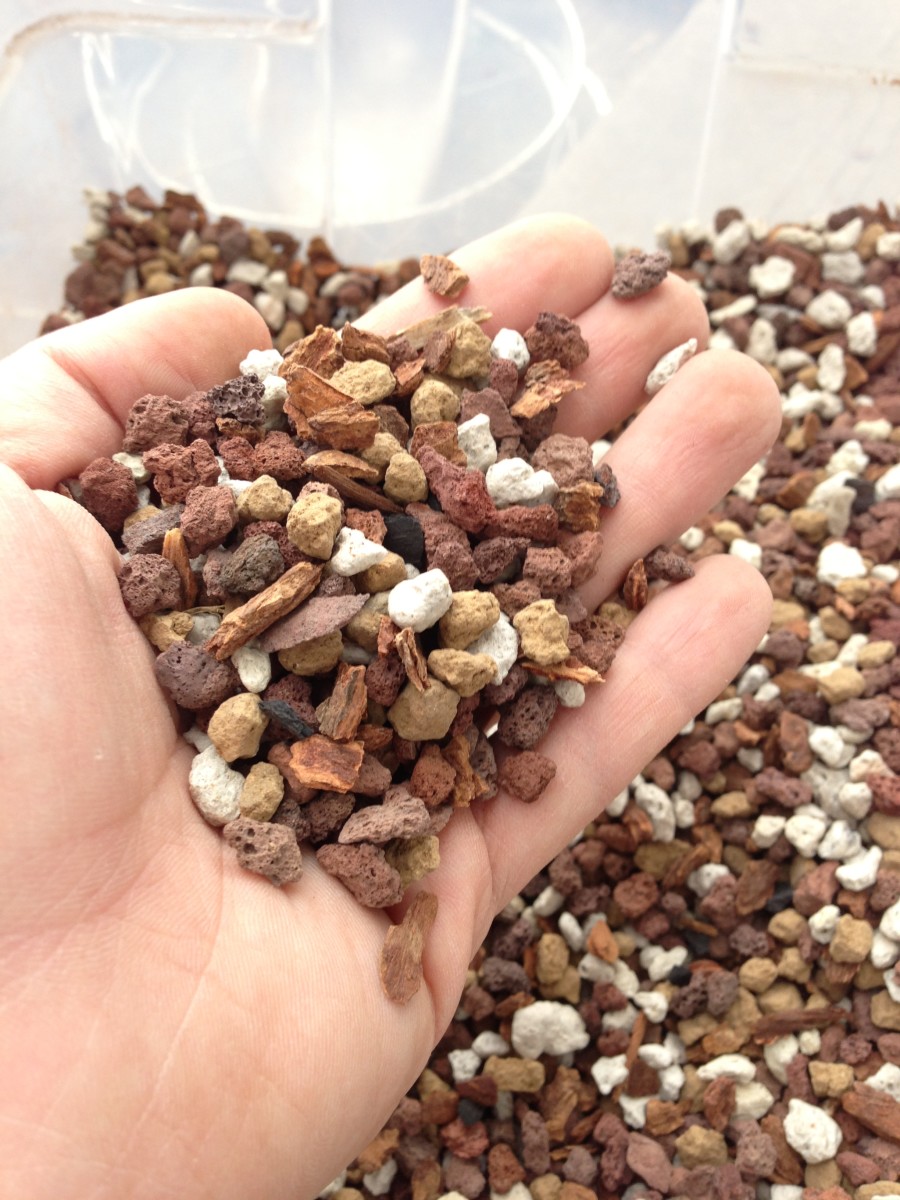
Lava rock is a popular component in bonsai soil mixtures due to its excellent drainage and aeration properties. It is typically used in conjunction with other substrates to create the ideal soil composition for bonsai trees.
The benefits of lava rock in bonsai soil include:
- Drainage: Lava rock provides excellent drainage, preventing waterlogging and ensuring that excess water flows freely through the soil. This helps prevent root rot and provides a healthy environment for the roots to thrive.
- Aeration: The porous mother nature of lava rock permits air to flow into inside the soil, supplying oxygen for the bonsai tree's root system. Proper aeration is vital for wholesome root enhancement and Over-all tree advancement.
- Longevity: Lava rock is usually a resilient material that does not break down conveniently. This makes sure that the soil structure remains secure eventually, lessening the need for Regular soil replacements.
Lava rock is accessible in different dimensions and designs, allowing for customization determined by the specific requirements of the bonsai tree and soil requirements.
Differing types of lava rock
You'll find different types of lava rock that can be used in bonsai soil mixtures, which include:
- Black lava rock: Black lava rock is often a frequently utilized content in bonsai soil mixtures. It provides great drainage properties and adds an aesthetic factor to the overall presentation in the bonsai tree.
- Crimson lava rock: Pink lava rock is yet another common choice in bonsai soil mixtures. It provides related drainage and aeration Positive aspects as black lava rock but has a distinct reddish coloration that provides visual fascination towards the container.
Both black and crimson lava rocks are widely offered and might be quickly included into your bonsai soil mixture.
Potting
Crucial techniques for profitable bonsai potting
Potting is actually a critical process in bonsai cultivation, mainly because it specifically impacts the overall health and growth in the tree's roots. Below are a few important guidelines for thriving bonsai potting:
- Pick the correct pot sizing: Pick a bonsai pot that permits for root development when nonetheless delivering a cosy in good shape. Prevent pots that are also big, since they may result in abnormal soil dampness and bad root enhancement.
- Use bonsai wire: Safe the tree while in the pot using bonsai wire to guarantee balance. This helps prevent the tree from shifting or getting to be uprooted for the duration of watering or powerful winds.
- Trim and spread the roots: Before potting the bonsai tree, meticulously trim and distribute out the roots. This encourages outward advancement and helps prevent root tangling or root-certain troubles.
- Increase mesh screens: Place mesh screens above the drainage holes at the bottom in the pot to circumvent soil erosion and make certain proper drainage.
- Use contemporary bonsai soil: When potting, always use fresh new bonsai soil to supply the required nutrients and best escalating disorders with the roots.
By next these critical strategies, you could be certain A prosperous potting procedure and encourage the overall wellbeing and growth of your respective bonsai tree.
The job of bonsai pots in soil humidity Command
Bonsai pots Participate in an important purpose in soil humidity Handle, directly impacting the overall health and advancement from the more info tree. Bonsai pots are usually shallow and also have drainage holes, allowing extra h2o to escape and stopping the soil from starting to be waterlogged.
The look of bonsai pots promotes evaporation and air circulation, which helps control soil dampness stages. The shallow depth and vast opening with the pot expose a lot more floor area of the soil for the air, aiding in humidity evaporation. This stops the roots from sitting down in excessively wet soil, cutting down the risk of root rot and various water-connected troubles.
On top of that, the drainage holes in bonsai pots make it possible for any surplus h2o to escape, blocking waterlogged soil and selling aeration within the roots. Correct aeration is essential for the well being and enhancement of the foundation program, guaranteeing the bonsai tree gets the necessary oxygen for progress.
By using bonsai pots created for efficient moisture control, it is possible to develop a favorable surroundings to your bonsai tree's roots and advertise its In general health and fitness and vitality.
In summary, selecting the suitable bonsai soil is significant for the results and overall health of your bonsai tree. Knowing the differing types of bonsai substrates, the role of natural and inorganic soils, The real key components of bonsai soil, and the assorted proposed read more soil mixtures can help you provide the optimal rising situations on your bonsai tree. No matter if you have a deciduous or coniferous bonsai, incorporating resources like akadama and lava rock can increase the soil's drainage and nutrient availability. On top of that, being attentive to potting procedures and utilizing bonsai pots designed for humidity control will more assistance the flourishing advancement of one's bonsai tree. With right being familiar with and implementation of bonsai soil methods, it is possible to take pleasure in the splendor and artistry of bonsai cultivation For several years to come back.